
Before your next fundraising conversation, can you show what was agreed and who signed it?
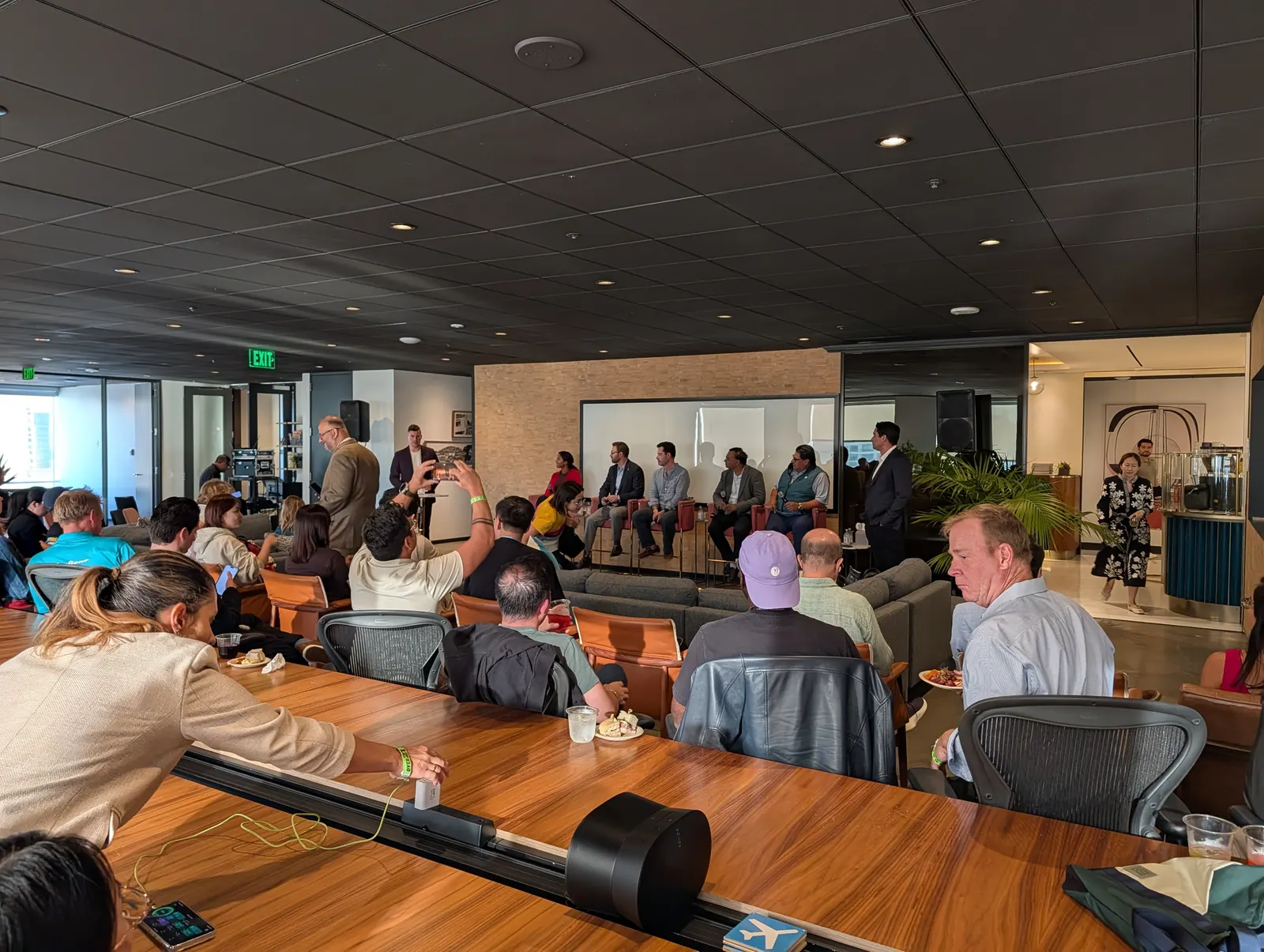
At Top 5 Things to Know When Preparing to Raise a Series A during SF Tech Week, Ariana Shaffer of Mignano Law Group repeatedly emphasized a point that stayed with me: capture important terms and commitments in writing, and get the agreements signed.
The session at Expensify Lounge brought together perspectives from venture capital, legal and financial professionals on preparing for a Series A.
Capture the agreement
Put important terms and commitments in writing and get them signed. Credit to Ariana Shaffer for reinforcing this throughout the discussion. My takeaway was that a useful conversation still needs a clear, completed record.
Make the record usable
Make sure everyone agrees on what the document says and keep completed records organized. The questions I want to carry into future conversations are simple: what was agreed, who signed it and where is the final version?
Prepare evidence early
The panel also discussed SOC 2, ISO standards and the importance of well managed products and processes when preparing for fundraising diligence. That connects closely with our work at Truva. The scope of preparation should follow the company’s risks and actual diligence requests.
Be precise about compliance
SOC 2 is an attestation report, not a certification. ISO/IEC 27001 addresses information security management, while ISO/IEC 42001 addresses AI management. Their relevance depends on the organization and the requirements it needs to meet; they are not universal conditions for raising capital.
Learn from the whole panel
Pete Lopez of CliftonLarsonAllen LLP was very down to earth, and I really appreciated our conversation during the session. Nick Tooker of Expensify guided the discussion through each phase of the funding journey, asked thoughtful questions at every stage and brought it together with a clear summary.
My takeaway
Treat the written record and the supporting evidence as part of fundraising preparation. Important commitments should be understandable, signed and easy to find.
Thank you to Pramod Gosavi of Blumberg Capital, Ariana Shaffer of Mignano Law Group, Stephen Estes and Pete Lopez of CliftonLarsonAllen LLP, and Graham Siegel of shuckerVC.
Thank you to moderator Nick Tooker and to Expensify and CliftonLarsonAllen LLP for hosting.
Questions from this recap
What was my strongest takeaway from the Series A panel?
Capture important terms and commitments in writing, make sure everyone understands them and get the agreements signed.
Does every startup need the same compliance evidence before fundraising?
No. Preparation should be based on the company, its risks and the actual requirements from investors and customers. A SOC 2 report and ISO management system standards serve different purposes.
Explore further
Can you find the final signed version of every important commitment your team is relying on?